“`html
IPTV vs Cable TV: Cost, Channels, and Cord-Cutting Benefits
Are you tired of paying exorbitant cable bills while being bombarded with channels you never watch? You’re not alone. Many viewers are transitioning to IPTV vs Cable options for a more tailored viewing experience. In this article, we’ll break down the differences between IPTV and traditional cable TV, focusing on cost, channel variety, and the advantages of cord-cutting. If you’re considering making the switch or just curious about the differences, keep reading to find out what suits your viewing habits best.
Understanding IPTV vs Cable: The Basics
IPTV (Internet Protocol Television) delivers television programming over the internet rather than through traditional satellite or cable methods. This modern solution allows viewers to access a plethora of channels and content on demand, making it a popular choice among cord-cutters. Conversely, cable TV relies on fixed networks to broadcast channels, often binding viewers to specific packages and contracts.
Cost Comparison: IPTV vs Cable
When it comes to cost, IPTV tends to offer more flexibility and affordability. For instance, while traditional cable packages can range from $80 to over $200 per month, many of the best IPTV services offer subscriptions as low as $20 to $50 per month. This significant price difference is one of the primary reasons many are shifting to IPTV.
Channel Variety: What You Can Expect
Channel selection is another crucial factor in the IPTV vs Cable debate. Cable television typically bundles channels into packages, with viewers often paying for channels they don’t watch. In contrast, IPTV services often provide customizable options, allowing you to select only the channels you want. For example, an IPTV subscription might include international channels that are hard to find on cable, making it a more inclusive option for diverse audiences.
The Cord-Cutting Movement
Cord-cutting is a movement gaining momentum globally, driven by the desire for more control over viewing options and costs. According to a recent survey, more than 30% of American households have cut the cord, and this trend is mirrored in many countries. The freedom to choose your programming without being tied to a long-term contract is a significant benefit of switching to IPTV.
Worldwide Channels and Regulations
While IPTV services are widely available, the offerings can vary significantly by country. For instance, viewers in the United States might access channels like international sports channels and premium movie channels through their IPTV subscriptions, while viewers in the UK may prefer national broadcast channels and premium sports channels. Moreover, regulations surrounding IPTV can differ greatly; some countries have stringent laws regarding streaming services, while others are more permissive. Understanding the legal landscape—whether you’re in Europe, Asia, or the Americas—is crucial before making the switch.
Practical Tips for Transitioning to IPTV
- Research Services: Compare various IPTV providers to find the best fit for your needs. Look for services that offer clear pricing and a range of channels.
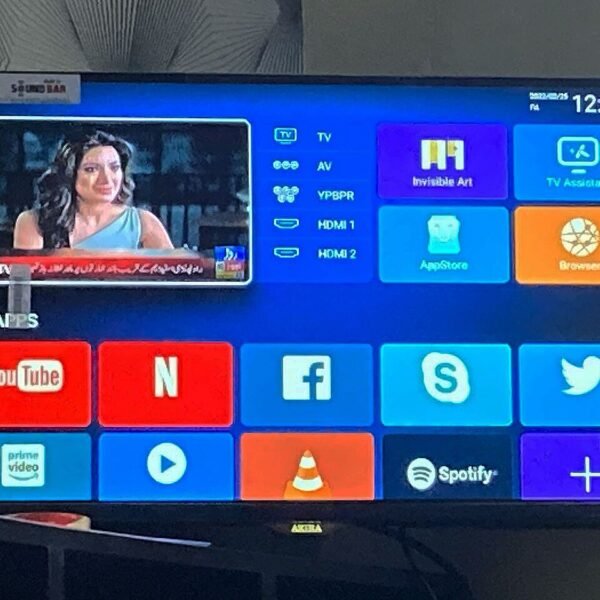
- Check Device Compatibility: Ensure your devices, such as Smart TVs, Firesticks, or Android boxes, are compatible with your chosen IPTV service.
- Trial Periods: Take advantage of IPTV free trials to explore different services without commitment.
- Consider Security: Use a VPN to ensure your internet connection is secure while streaming IPTV content.
- Explore M3U Playlists: Familiarize yourself with IPTV M3U playlists to customize your viewing experience further.
Frequently Asked Questions
What are the main differences between IPTV and cable TV?
The primary differences lie in their delivery methods, cost, and flexibility in channel selection. IPTV uses the internet, while cable relies on fixed networks.
Is IPTV cheaper than cable TV?
Yes, IPTV services often offer lower monthly rates compared to traditional cable packages.
Can I watch live sports on IPTV?
Yes, many IPTV services offer live sports channels, including options that are not typically available on cable.
What devices can I use for IPTV?
You can use various devices, including Smart TVs, Firesticks, tablets, and smartphones to stream IPTV content.
Are there free options for IPTV?
Yes, some IPTV services offer free trials or free content, although the selection may be limited compared to paid services.
Conclusion
In the battle of IPTV vs Cable, IPTV emerges as a flexible, cost-effective, and customizable solution for modern viewers worldwide. With an abundance of channels, the freedom to choose your content, and the power to cut the cord, IPTV services are undoubtedly changing the landscape of television consumption. If you’re ready to make the switch or want to explore the best IPTV options available, consider checking out IPTV Playlist for a tailored viewing experience that fits your needs.
“`
Explore IPTV Playlist
Ready to stream? Visit IPTV Playlist, compare IPTV plans and pricing, or contact support for a free trial.